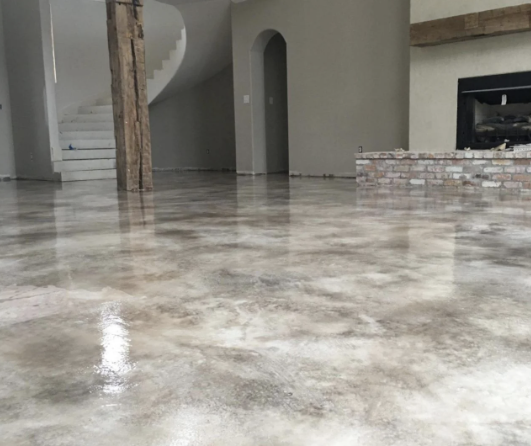
Concrete is known for its remarkable durability and ability to withstand harsh conditions, making it a popular choice for construction and design. However, despite its toughness, it is not entirely maintenance-free. Over time, dirt, grime, stains, and other residues can accumulate on its surface, diminishing its appearance and potentially affecting its integrity. Concrete requires periodic and thorough cleaning to keep it looking its best and functioning effectively.
Concrete surfaces are a common feature in nearly every home, whether in the form of floors, countertops, patios, driveways, or other indoor and outdoor areas. While concrete is celebrated for its durability and strength, it is not entirely stain-proof and can still fall victim to messes like oil spills, rust marks, mildew, and other stubborn stains. Fortunately, maintaining concrete and keeping it looking pristine is easier than you might think when you use the right cleaning products and techniques. Below, you’ll find practical tips for cleaning concrete and effectively tackling various stains to restore its original beauty.
How Often Should You Clean Concrete?
Keeping your concrete surfaces clean not only enhances their appearance but also helps to maintain their durability. Here’s a guide to how frequently you should clean different types of concrete surfaces and how to address stains effectively:
1. Act Quickly on Stains
- Stains, especially from oil or grease, are much easier to remove if treated promptly. Don’t wait until you plan a full cleaning session—address spills and stains as soon as you notice them. Use appropriate cleaners for the type of stain to prevent it from setting into the concrete.
2. Indoor Concrete Floors
- Weekly Maintenance: Dust-mop or sweep indoor concrete floors at least once a week to prevent dirt and debris from scratching or dulling the surface.
- Deep Cleaning: Depending on foot traffic, consider mopping with a pH-neutral cleaner every 1-2 weeks to keep floors looking their best.
3. Concrete Countertops
- Daily Cleaning: Clean concrete countertops daily, especially after food preparation, using a mild cleaner and a soft cloth. Avoid harsh or abrasive cleaners that can damage the surface or sealant.
- Periodic Maintenance: If the countertop is sealed, reseal it as recommended (usually every 1-3 years) to maintain its resistance to stains and water damage.
4. Outdoor Concrete Surfaces (Driveways, Patios, Walkways)
- Regular Debris Removal: Sweep or blow away leaves, dirt, and debris frequently to prevent buildup and potential staining.
- Annual Deep Cleaning: Power wash or scrub outdoor concrete surfaces at least once a year, or more often if they are heavily used or stained. Use a specialized cleaner for stubborn stains, like grease from vehicles or mildew in shaded areas.
By following these cleaning schedules and addressing stains promptly, you can keep your concrete surfaces in excellent condition for years to come.
Important Considerations Before Cleaning Concrete
Before diving into cleaning your concrete surfaces, it’s essential to take a few key factors into account. Proper preparation and the right approach will ensure effective cleaning without causing damage. Here are the most important considerations:
1. Understand the Surface Type
- Painted Concrete Floors: Avoid using excessive water on painted concrete. Too much moisture can weaken the bond of the paint, leading to peeling or flaking. Instead, opt for gentle cleaning methods such as a damp mop or soft cloth with a mild cleaner.
- Sealed vs. Unsealed Concrete: Sealed concrete is more resistant to stains and water, but unsealed concrete is porous and can absorb moisture and cleaning agents. Use products designed for the specific type of surface to avoid unwanted damage.
2. Choose the Right Cleaning Products
- Manufacturer Recommendations: If you’re using a commercial cleaner, check the label to ensure it’s suitable for cleaning concrete. Using inappropriate products can cause discoloration, erosion, or damage to any sealant applied to the surface.
- Eco-Friendly Options: If cleaning outdoor surfaces, consider using biodegradable or eco-friendly products to prevent harmful runoff into the environment.
3. Test in a Small Area First
- Always test your cleaning method or product on an inconspicuous area before applying it to the entire surface. This will help you avoid accidental discoloration, etching, or other unintended damage.
4. Consider the Weather and Environment
- For outdoor concrete cleaning, choose a day with mild, dry weather. Excessive heat can cause cleaning solutions to evaporate too quickly, reducing their effectiveness, while rain can wash away your efforts.
- Indoors, ensure good ventilation if you’re using chemical cleaners to minimize exposure to fumes.
5. Protect Surrounding Areas
- When cleaning with strong chemicals or power washing, protect nearby plants, walls, furniture, and other surfaces from splashes or runoff. Use plastic sheeting or barriers as needed.
6. Plan for Maintenance
- Once cleaned, take steps to maintain the surface. Consider resealing concrete every few years to make future cleaning easier and protect it from wear and stains.
By taking these precautions, you’ll ensure your cleaning efforts are effective while preserving the integrity and appearance of your concrete surfaces.
Using a Power/Pressure Washer for Cleaning Concrete
A power or pressure washer can be a valuable tool when tackling heavily soiled concrete surfaces, especially those covered with moss, mildew, or deep grime. While not always necessary for routine cleaning, it can make the job significantly easier and more effective in tough conditions. However, it’s important to use this tool properly to avoid damage or complications. Here’s what you need to know:
1. When to Use a Pressure Washer
- Heavily Soiled Surfaces: For concrete driveways, patios, or walkways with deep stains or layers of grime, a pressure washer can provide a thorough cleaning that scrubbing alone may not achieve.
- Moss or Mildew Removal: The high-pressure spray is particularly effective at dislodging moss, algae, and mildew from outdoor surfaces.
2. Important Precautions
- Avoid Vinegar or Baking Soda: Never add vinegar, baking soda, or other homemade cleaning solutions directly to the pressure washer’s tank. These substances can clog the jet and potentially damage the washer’s components. Instead, apply these solutions manually if needed, then rinse with plain water using the pressure washer.
- Choose the Right Nozzle: Use a nozzle with a wider spray angle (such as 25° or 40°) for general cleaning to avoid etching or damaging the concrete surface. Narrow nozzles (like 0°) are too concentrated and can cause visible marks or gouges.
- Test on a Small Area: Before pressure washing the entire surface, test on a small, inconspicuous area to ensure the pressure setting is appropriate and doesn’t damage the concrete.
3. Proper Technique for Cleaning Concrete
- Start with a lower pressure setting (around 2,000–2,500 PSI for most concrete surfaces). Increase pressure gradually if needed for tougher stains, but avoid exceeding 3,000 PSI to prevent surface damage.
- Hold the nozzle at a consistent distance of about 12–18 inches from the surface. Move in a sweeping motion rather than focusing on one spot for too long.
- If cleaning moss or algae, consider applying a biodegradable cleaner to the surface first. Let it sit for 10–15 minutes before pressure washing to loosen growth.
4. Alternative Tools and Methods
- For routine cleaning or lightly soiled areas, a stiff-bristled brush and garden hose with a spray nozzle may suffice.
- If you don’t own a pressure washer, they are often available for rent at home improvement stores, making it an accessible option for occasional deep cleaning.
By using a power washer correctly and avoiding common mistakes like adding clog-inducing solutions, you can restore the cleanliness and appeal of your concrete surfaces efficiently and safely.
When to Call for Professional Help
If you’re struggling to clean a concrete surface or remove stubborn stains despite your best efforts, it may be time to seek professional assistance. Here’s why calling in the experts can make a difference:
1. Expertise in Stain Removal
- Professionals have access to specialized cleaning agents and techniques designed to tackle tough stains like oil, rust, paint, or mildew that regular household products might not effectively remove.
2. Advanced Equipment
- A professional power-washing company uses high-grade equipment capable of delivering superior results. Their tools often include variable pressure settings and hot water options, which are highly effective for deep-cleaning concrete surfaces.
3. Efficient Cleaning for Larger Areas
- For large surfaces like driveways, patios, parking lots, or building facades, professional cleaners can save you time and effort. They’re equipped to handle larger projects quickly and efficiently.
4. Safe Cleaning of Hard-to-Reach Areas
- If the concrete surface is located in a hard-to-reach area—such as an elevated structure or a surface with intricate detailing—professionals can clean it safely without risking damage to the structure or injury to yourself.
5. Preserving Surface Integrity
- Professionals understand the nuances of different concrete surfaces, whether painted, sealed, or unsealed. They know how to clean effectively without causing damage, ensuring your surfaces remain in good condition.
6. Cost-Effectiveness for Persistent Problems
- While hiring a professional may seem costly upfront, it can be more cost-effective in the long run if you’re dealing with persistent stains or extensive dirt buildup. They eliminate the need for repeated cleaning attempts and prevent potential damage from improper DIY techniques.
When regular cleaning methods fail, a professional power-washing company can provide the deep cleaning expertise needed to restore your concrete surfaces to their original state, saving you time and ensuring high-quality results.
How to Clean Concrete: Step-by-Step Instructions
Cleaning concrete is a straightforward process that requires only a few household tools and some effort. For the best results, choose a mild, overcast day to clean outdoor concrete. This will help prevent the cleaning solution from evaporating too quickly.
Step 1: Clear the Concrete
- Remove Items: Begin by removing all items from the area you want to clean. This includes cars, patio furniture, grills, potted plants, and toys.
- Clear Debris: Sweep the surface with a broom or use a leaf blower to eliminate leaves, dirt, and other loose debris.
- Pre-Wet the Surface: Wet the concrete thoroughly using a garden hose fitted with a spray nozzle. This step helps loosen dirt and prepares the surface for cleaning.
Step 2: Prepare a Cleaning Solution
- Mix Ingredients: In a large bucket, combine the following:
- 1 cup of baking soda
- 2 cups of distilled white vinegar
- Stir Slowly: The mixture will foam due to the reaction between the baking soda and vinegar. Stir the solution slowly until the foaming subsides.
- Adjust for Larger Areas: For larger cleaning tasks, double or triple the quantities of baking soda and vinegar to ensure you have enough cleaning solution.
TIP: You can add a few drops of liquid dish soap to the solution for an extra cleaning boost.
Step 3: Clean the Concrete
- Spread the Solution:
- Use a mop to spread the cleaning solution evenly over the concrete surface.
- Let it sit for about 30 minutes to break down dirt, grime, and stains.
- Scrub the Surface:
- Using a long-handled, stiff-bristled nylon scrub brush, scrub the concrete thoroughly to remove stubborn stains and embedded dirt.
- Rinse Thoroughly:
- Rinse the concrete surface with the garden hose, ensuring all residue is washed away. Take care to rinse any overspray from nearby grass or shrubs to prevent damage.
- Allow to Dry:
- Let the concrete dry completely before returning furniture, plants, or other items to the area. This prevents staining from moisture or dirt.
Important Tips and Warnings
- Avoid Metal Brushes: Never use a metal brush to scrub concrete. Metal bristles can leave behind particles that rust over time, potentially causing stains.
- Prevent Quick Evaporation: Cleaning on a mild, cloudy day helps keep the solution from drying out too quickly, making it more effective.
- Test a Small Area: Before cleaning a large section, test the solution on a small, inconspicuous area to ensure it doesn’t discolor the concrete.
How to Clean Sealed, Painted, and Polished Concrete Surfaces
Concrete surfaces are popular for their durability and versatility, often enhanced with sealant, paint, or polish to increase longevity and improve appearance. While these treatments provide protection and style, regular cleaning is essential to maintain their condition and extend their lifespan. Follow these simple, step-by-step instructions to properly clean sealed, polished, and painted concrete surfaces.
Step 1: Cleaning Sealed Concrete Floors
Sealed concrete floors have a protective coating that helps resist stains and wear. Proper cleaning prevents dirt buildup and preserves the sealant.
- Sweep or Dust Mop
Begin by sweeping or using a dust mop to remove loose dirt, dust, and debris. - Prepare a Cleaning Solution
Mix 2 gallons of warm water with 2 teaspoons of mild dishwashing liquid in a bucket or sink. Avoid using harsh or abrasive cleaners, as these can degrade the sealant over time. - Mop the Floor
Use a mop dipped in the cleaning solution to clean the floor. Wring out excess water to prevent oversaturating the surface. - Rinse and Dry
Rinse the floor with fresh water using a clean mop, then allow it to air-dry completely.
Warning: Do not use harsh chemicals or abrasive cleaners on sealed concrete, as they can break down the sealant and leave the surface dull.
Step 2: Cleaning Polished Concrete Floors
Polished concrete floors have a sleek, shiny finish that requires careful maintenance to preserve their sheen.
- Dust Mop or Vacuum
Remove dust and debris with a microfiber dust mop or vacuum. - Damp Mop with pH-Neutral Cleaner
Use a damp mop and a commercial pH-neutral cleaner specifically designed for polished concrete. Follow the manufacturer’s instructions for the cleaner, as most do not require rinsing. - Dry the Floor
Allow the floor to dry naturally to maintain its polished appearance.
Step 3: Cleaning Painted Concrete Floors
Painted concrete floors can be sealed or unsealed, which affects their cleaning needs. Gentle care is key to protecting the paint finish.
- Dust Mop or Vacuum
Start by removing loose dirt and dust with a dust mop or vacuum. - Mop with a Gentle Cleaning Solution
Prepare a solution of warm water and mild dishwashing liquid. Use a damp mop (not overly wet) to clean the floor, being careful not to oversaturate the surface. - Rinse and Dry
Rinse the floor with a clean, damp mop to remove any soap residue. Allow the surface to air-dry.
Warning: Avoid using harsh cleaners like bleach or ammonia, as they can damage the paint finish and weaken unsealed surfaces.
General Tips for All Concrete Floors
- Always test a small, inconspicuous area with your cleaning solution before full application.
- Regularly sweep or vacuum to minimize dirt buildup, which can scratch or dull the surface.
- Use furniture pads to protect concrete surfaces from scratches and scuffs.
By following these steps and warnings, you can ensure your sealed, polished, or painted concrete surfaces remain clean, beautiful, and in top condition for years to come.
How to Remove Stains from Concrete: A Comprehensive Guide
Concrete surfaces are known for their durability, but they can still become stained by everyday substances like mold, mildew, oil, grease, rust, or tire marks. The method for removing these stains depends on their type and severity. Follow these step-by-step instructions to tackle common concrete stains effectively.
Removing Mold and Mildew Stains from Concrete
Mold and mildew are common in damp areas, leaving unsightly stains and slippery surfaces. Here’s how to address them:
- Prepare a Bleach Solution
Mix 1 part chlorine bleach with 2 parts water in a plastic bucket or spray bottle. Ensure the container is safe for use with bleach and not made of metal. - Apply the Solution
Spray the solution onto the affected areas, or use a mop to spread it evenly over the mildew-stained surface. For outdoor spaces, consider using a garden sprayer for easier application. - Let it Work
Allow the solution to sit for 5 to 30 minutes, depending on the severity of the stains. For light stains, a shorter wait is sufficient; for stubborn stains, let it sit longer but avoid letting it dry out completely. - Scrub the Area
Use a nylon-bristled brush to scrub the surface, loosening the mold or mildew from the concrete. - Rinse Thoroughly
Rinse the area with a garden hose, ensuring all traces of the bleach solution are removed. For indoor surfaces, use clean water and a mop to rinse.
Important Safety Precautions
Working with bleach and other harsh chemicals requires proper safety measures:
- Wear old clothes, as bleach can discolor fabrics.
- Use rubber gloves and protective eyewear to avoid skin and eye irritation.
- Ensure the area is well-ventilated. If working indoors, open windows or use fans to improve airflow.
- For outdoor cleaning, protect nearby grass, shrubs, and flowers by covering them with old towels or plastic sheeting to prevent accidental damage.
General Tips for Stain Removal from Concrete
While mold and mildew are common problems, concrete can also suffer from other types of stains. Below are some additional stain removal techniques:
Oil and Grease Stains
- Sprinkle baking soda or cornstarch over the stain to absorb excess grease.
- Scrub the area with a stiff-bristled brush and a degreasing detergent mixed with water. Rinse thoroughly.
Rust Stains
- Use a commercial rust remover or make a paste of lemon juice and baking soda. Apply it to the stain, let it sit for 10–15 minutes, and scrub with a stiff brush before rinsing.
Tire Marks
- Scrub the area with a mixture of warm water and dishwashing liquid, or use a pressure washer for stubborn marks.
General Stains
- For unclassified stains, try a general-purpose concrete cleaner. Test it in an inconspicuous spot first to ensure it won’t damage the surface.
By using the right methods and taking appropriate safety measures, you can restore your concrete surfaces to their original condition. Whether tackling mold, grease, or rust, a targeted approach will make your job more effective and manageable.
How to Remove Stains and Keep Concrete Clean
Grease Stains
To remove grease stains from concrete:
- Cover the stain with a thick layer of absorbent material like kitty litter or cornstarch (at least 1 inch deep).
- Let it sit undisturbed for at least 24 hours or up to three days to absorb the grease.
- Sweep up the material and check the stain. If the grease is still visible, repeat the process with fresh kitty litter or cornstarch.
- Once the stain is nearly gone, apply a commercial degreaser and scrub the area with a nylon-bristled brush for a thorough clean.
Tire Marks
To tackle tire marks on concrete:
- Wet the stained area with water.
- Spread a degreaser over the marks, ensuring complete coverage.
- Allow the degreaser to sit for at least four hours to loosen the tire residue.
- Scrub the marks with a stiff nylon-bristled brush to remove the stains effectively.
Rust and Red Mud Stains
For light stains:
- Pour undiluted distilled white vinegar directly onto the stained area.
- Let it sit for 30 minutes to break down the discoloration.
- Scrub the area with a stiff brush, then rinse thoroughly with water.
For old or large stains:
- Use a commercial rust remover containing oxalic acid instead of vinegar.
- Follow the product’s label instructions to apply the cleaner.
- Scrub the area with a nylon-bristled brush, then rinse well.
Tips for Keeping Concrete Clean Longer
Maintaining clean and attractive concrete requires a combination of regular care and preventative measures:
- Clean Spills Promptly: Address spills as soon as they occur to prevent stains from seeping into the porous surface of the concrete.
- Remove Debris Regularly: Sweep away dirt, leaves, and other debris to avoid abrasions and stains caused by buildup.
- Apply a Sealant: Use a high-quality concrete sealant to create a protective barrier against stains, grime, and moisture. Reapply the sealant as needed based on wear and weather conditions.
- Periodic Inspections: Regularly check the concrete surface for cracks, chips, or other signs of wear. Address these issues promptly to prevent further damage or staining.
With consistent care and the right protective measures, your concrete surfaces will remain clean, durable, and visually appealing for years to come.
