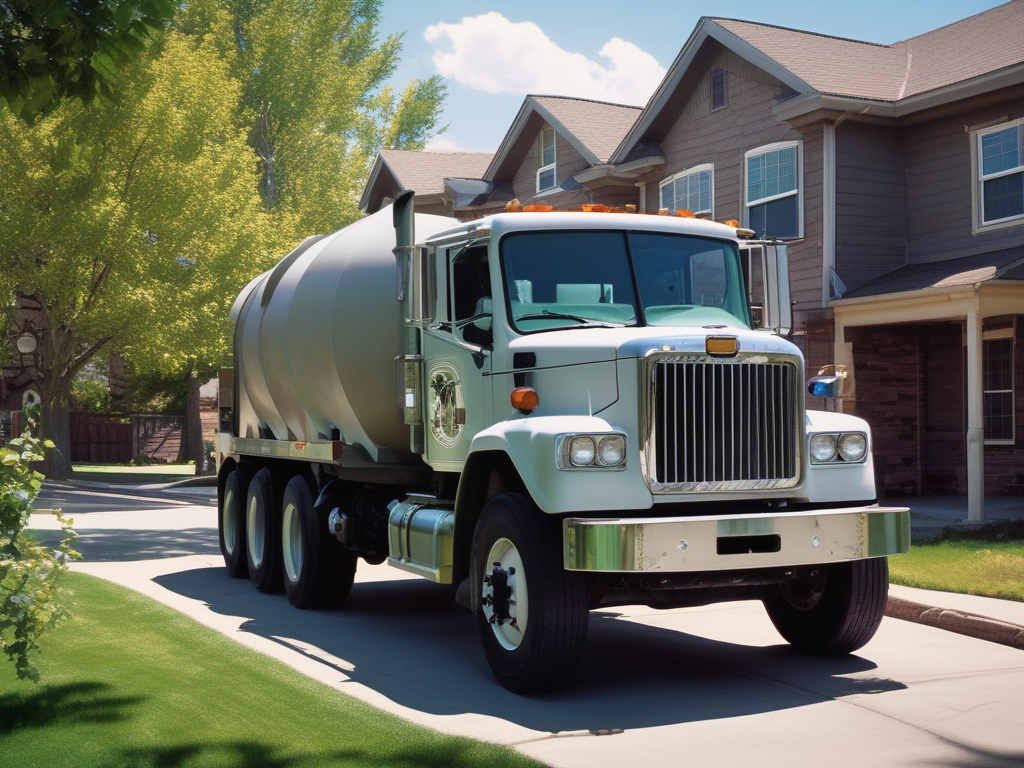
When planning a project that requires concrete delivery—whether it’s for a foundation, driveway, patio, or sidewalk—having ready-mixed concrete delivered directly to your site is often the most efficient and effective option. Concrete delivery ensures that the concrete is pre-mixed to the correct specifications, saving time and labor by eliminating the need for on-site mixing. This approach is ideal for projects of any size, from small patios to larger foundations.
How Concrete Delivery Works
Concrete delivery brings pre-mixed concrete directly to your project location, allowing for quick and precise pouring into the designated area. By using a concrete truck, the concrete can be poured immediately upon arrival, which is especially beneficial for larger projects like foundations or driveways that would require significant time and effort to mix by hand. Ready-mixed concrete delivery also ensures a consistent mix quality, reducing risks of uneven drying or structural issues.
Cost of Concrete Delivery
Concrete is generally priced by the cubic yard, with additional fees for delivery and any required installation services. The size and scope of your project will have the largest impact on the total concrete delivery cost. Here’s an estimate of typical costs based on common project sizes:
- Small Projects (e.g., Driveways): Standard driveways often require around three cubic yards of concrete. Homeowners can anticipate a concrete delivery cost of approximately $420 for this size, though rates can vary depending on location and specific delivery fees.
- Medium Projects (e.g., Decks, Pool Areas): Decks and pool surrounds typically need about five cubic yards of concrete. For these medium-sized projects, concrete delivery costs around $700 on average, making this option efficient for many outdoor features.
- Large Projects (e.g., Foundations): For larger projects such as foundations, about 10 cubic yards of concrete may be needed, with a typical concrete delivery cost of around $1,310. The exact price can vary based on site conditions and any additional delivery requirements.
Additional Factors Affecting Concrete Delivery Cost
Several factors can influence the final concrete delivery cost:
- Delivery Distance and Accessibility: Fees may increase based on the distance from the concrete supplier and the ease of access to the job site.
- Installation Services: Some companies offer professional installation along with concrete delivery, which can add to the cost but ensures a high-quality finish.
- Site Preparation: If the site needs additional preparation, such as leveling or grading, this may increase the overall concrete delivery cost.
- Special Additives or Finishes: Additives like color, curing accelerants, or specialized finishes may also affect pricing.
Benefits of Choosing Concrete Delivery
Opting for concrete delivery simplifies the entire process and helps ensure that your concrete project is completed efficiently. Delivered concrete is mixed consistently, poured precisely, and typically requires less labor than on-site mixing. For most homeowners, concrete delivery is a practical solution that offers the quality and convenience needed to complete projects on time and within budget.
In summary, concrete delivery prices typically range from $500 to $1,000 for small to medium projects, while larger projects like foundations may cost $1,300 or more. Whether for a foundation, driveway, or patio, concrete delivery provides an efficient, reliable solution that ensures a professional finish and durable results.
Average Price of Concrete Delivered
| Cost to Have Concrete Delivered | |
| National average cost | $700 |
| Average Range | $500-$1,000 |
| Low-end | $420 |
| High-end | $1,310 |
Concrete Delivery Cost by Type of Delivery
Concrete delivery plays a crucial role in any project that requires pouring concrete, from foundations and driveways to patios and sidewalks. Choosing the right concrete delivery method can streamline the process, control costs, and ensure high-quality results. Delivery options vary depending on project size, site access, and specific concrete requirements. Concrete delivery costs typically range from $55 to $65 per full load (10 cubic yards) or between $2 and $25 per cubic yard, depending on the method chosen. Here’s a breakdown of the most common concrete delivery methods and their benefits.
Key Types of Concrete Delivery
- Full Load Concrete Delivery
- Best For: Large projects like foundations, extensive driveways, and large slabs require up to a full truckload (10 cubic yards) of concrete.
- Cost: Around $55 to $65 for a full 10-cubic-yard load.
- Advantages: Full-load concrete delivery is efficient for large projects, reducing the need for multiple trips and ensuring batch consistency. This option minimizes costs per cubic yard when a significant volume is required.
- Considerations: Full-load concrete delivery requires easy access for a full-sized concrete truck. If your site has restricted access, additional preparation may be necessary to accommodate the delivery.
- Short Load Concrete Delivery
- Best For: Small to medium projects, such as patios, sidewalks, garden paths, or smaller driveways where a full load is not necessary.
- Cost: Typically between $2 and $25 per cubic yard, based on the amount and distance of delivery.
- Advantages: Short-load concrete delivery allows for smaller volumes, reducing waste and avoiding the cost of ordering a full load for smaller projects. This option provides flexibility and is cost-effective for residential projects.
- Considerations: Some suppliers may charge extra for short loads or have minimum delivery requirements, which could impact your overall concrete delivery cost.
- Tow-Behind Concrete Delivery
- Best For: DIY projects or remote sites where access to a large truck is difficult, such as backyards or rural locations.
- Cost: Generally similar to short load rates but may include rental fees for the tow-behind equipment.
- Advantages: Tow-behind concrete delivery offers flexibility and control for projects where a full truck is impractical. It allows you to tow a mixer to the site with your vehicle, making it an ideal choice for incremental or phased pours.
- Considerations: Tow-behind concrete delivery is convenient but requires familiarity with mixer operation. Rental fees for extended use should also be considered in the total concrete delivery cost.
- Mix-On-Site Concrete Delivery
- Best For Projects needing custom concrete mixes, such as high-strength concrete for structural work, decorative applications, or any project requiring precise control over the concrete’s properties.
- Cost: Typically higher than pre-mixed options, as the concrete is mixed on-site to match exact specifications.
- Advantages: Mix-on-site concrete delivery provides unmatched control over the concrete’s composition, allowing adjustments for strength, consistency, additives, or color on the spot. This option is ideal for specialized applications where precision is essential.
- Considerations: While mix-on-site concrete delivery offers customization, it’s generally more costly and time-intensive. For standard projects, pre-mixed options may be more practical.
How to Choose the Right Concrete Delivery Method
Selecting the best concrete delivery method for your project depends on factors like project size, site accessibility, and specific mix requirements:
- Project Scale: Full load delivery is most economical for large-scale jobs, while short load or tow-behind delivery is ideal for smaller projects.
- Site Access: Sites with limited access benefit from tow-behind or mix-on-site delivery.
- Concrete Mix Requirements: For custom strength or finish needs, mix-on-site concrete delivery is the optimal choice.
Using the right concrete delivery type ensures your project is completed efficiently, within budget, and with high-quality results. Each method offers unique advantages, allowing you to customize the concrete delivery process to meet the specific needs of your project, whether it’s a DIY patio or a large foundation pour.
| Delivery Type | Average Cost (Delivery Only) |
| Tow-Behind | $2 – $10/cubic yard |
| Short Load | $15 – $17/cubic yard |
| Mix On-Site | $20 – $25/cubic yard |
| Full Load | $55 – $65/load |
When planning a concrete project, selecting the right concrete delivery option is essential for controlling costs, ensuring quality, and matching the specific needs of your project. Whether you’re pouring a small patio, a foundation, or decorative concrete, different concrete delivery methods offer various benefits, from precise mixing to high-volume capacity. Here’s a breakdown of the primary concrete delivery types, costs, and best use cases.
1. Tow-Behind Concrete Pump Rental
Tow-behind pumps are a versatile concrete delivery option for small-scale projects, allowing for easy transport and on-site mixing of limited concrete amounts.
- Cost: Typically, $2 to $10 per cubic yard, with an additional hourly rental fee between $150 and $200.
- Best For: Small projects needing only 1 to 3 cubic yards, such as countertops or small patios.
- Advantages: This concrete delivery method is highly portable and ideal for sites with limited space. It offers a budget-friendly solution for projects that don’t require a full truckload. Some rental companies provide tow-behind pumps pre-filled with dry cement, and water can be added on-site for a quick mix.
- Optional Professional Assistance: Many rental companies also offer a tow-behind truck with an on-site mixing professional to ensure smooth and efficient concrete delivery and pouring.
2. Short Load Concrete Delivery
Short-load concrete delivery is designed for medium-sized projects that don’t need a full truckload, making it ideal for residential projects like sidewalks, small patios, and retaining walls.
- Cost: Typically around $15 to $17 per cubic yard.
- Capacity: Most short-load deliveries range from 1 to 5 cubic yards, though some providers deliver up to 9 yards. However, for amounts close to 10 cubic yards, a full load may be more cost-effective.
- Best For: Medium-sized residential projects where a full 10-yard truckload isn’t needed.
- Advantages: This concrete delivery option is flexible, allowing you to order just the amount you need, which reduces waste and costs. Short-load concrete delivery is cost-effective for projects with moderate concrete needs, offering a practical balance of quantity and convenience.
3. Concrete Mix-On-Site Truck
A mix-on-site truck offers precise, on-demand concrete delivery for projects requiring specific concrete mixes or high-strength applications. This truck type mixes the concrete at the location, allowing for custom adjustments as needed.
- Cost: Expect to pay around $20 to $25 per cubic yard, plus a daily rental fee ranging from $500 to $800.
- Best For: Specialized applications such as reinforced concrete, high-strength structural elements, or decorative concrete projects.
- How It Works: Equipped with separate bins for water, aggregates, and cement paste, these trucks keep materials separate until mixing begins, allowing for batch adjustments on-site and reducing waste.
- Advantages: Mix-on-site concrete delivery offers unparalleled control over the mix composition, including strength and color adjustments. It’s the ideal choice for custom or complex projects where quality precision is a priority.
4. Full Load Concrete Delivery
Full-load concrete delivery is the most economical choice for large-scale projects, supplying a full truckload (10 cubic yards) of concrete. It is well-suited to substantial pours where a high volume of concrete is required in one batch.
- Cost: Usually between $55 and $65 per truckload of 10 cubic yards.
- Best For: Large projects like long driveways, large slabs, and foundations.
- Advantages: This concrete delivery option is cost-effective for high-volume requirements. Delivering a full load minimizes costs per cubic yard and ensures uniform quality, as the entire batch is poured in a single session. For large projects, full-load concrete delivery also reduces the need for multiple deliveries, maintaining batch consistency.
Selecting the Right Concrete Delivery Option
Choosing the appropriate concrete delivery method depends on the project size, budget, and site requirements. Here’s a quick guide:
- Tow-Behind Pump: Ideal for very small projects needing 1 to 3 cubic yards. This option is cost-effective and mobile, making it suitable for DIY or minor installations.
- Short Load Delivery: Suitable for small to medium projects needing 1 to 5 cubic yards, such as sidewalks, patios, and smaller slabs.
- Mix-On-Site Truck: Best for custom or specialized projects requiring precise concrete control, such as high-strength or decorative concrete.
- Full Load Delivery: The most economical option for large-scale projects requiring a full 10 cubic yards or more. Ideal for large pours, where batch consistency is key.
Tips for a Successful Concrete Delivery
- Plan: Schedule your concrete delivery early, especially for specialized trucks like mix-on-site or tow-behind options, which may have limited availability.
- Verify Additional Fees: Some providers charge extra for short loads, minimum delivery requirements, or remote delivery locations. Confirm any additional fees before finalizing your concrete delivery.
- Ensure Site Access: Full-load deliveries require space for a large truck; if access is restricted, consider a tow-behind or mix-on-site concrete delivery option.
Selecting the right concrete delivery method ensures your project runs smoothly, within budget, and meets the specific demands of your job. Whether for a small patio or a full foundation, understanding each concrete delivery option helps achieve efficient, high-quality results tailored to your project’s needs.
Cost of Concrete per Yard Delivered
Choosing the right concrete delivery option is key to managing costs, ensuring quality, and meeting the requirements of your project. Concrete is typically priced by the cubic yard, with a base cost of $125 to $133 per yard before delivery fees. Depending on your project’s size and concrete needs, different delivery methods can help optimize costs and minimize waste. Here’s an in-depth guide to concrete delivery options, costs, and best use cases to help you make the best choice.
Understanding Concrete Delivery Costs and Options
Most concrete delivery uses standard trucks, each capable of transporting up to 10 cubic yards per load. Concrete delivery costs depend on whether you need a short load (less than 10 cubic yards) or a full load (in increments of 10 cubic yards like 10, 20, or 30 cubic yards). Here’s how the pricing works:
- Short Load Concrete Delivery (1-9 Cubic Yards)
- Cost: Base price of $125 to $133 per cubic yard, with short load fees of $15 to $17 per yard.
- Ideal For: Smaller projects such as patios, pathways, sidewalks, or minor repairs.
- Advantages: Short-load concrete delivery allows you to order only the volume you need, which is cost-effective for small projects. Short-load fees apply, but they help cover transport costs for partial loads.
- Example Project: Creating a backyard patio or pouring a garden path.
- Medium Project Concrete Delivery (6-9 Cubic Yards)
- Cost: $125 to $133 per cubic yard with short load fees applied to volumes under 10 cubic yards.
- Ideal For: Medium-sized projects, such as residential driveways, retaining walls, or small shed foundations.
- Advantages: This concrete delivery option is perfect for residential projects that need more concrete than a small job but don’t require a full truckload. Short load fees ensure you receive the right amount without overpaying for a full load.
- Example Project: Pouring a medium-sized driveway or building a patio large enough for outdoor seating and activities.
- Full Load Concrete Delivery (10+ Cubic Yards)
- Cost: Full load rates averaging $55 to $65 per cubic yard.
- Ideal For: Large-scale projects such as foundations, extensive driveways, large slabs, and commercial projects.
- Advantages: Full-load concrete delivery offers substantial savings per yard for projects requiring 10 or more cubic yards. By ordering in 10-yard increments, you reduce the per-yard cost and benefit from batch consistency, making it the most economical choice for large projects.
- Example Project: Large residential foundations, long driveways, or commercial concrete flooring.
Tips for Calculating and Planning Concrete Delivery
- Calculate Your Requirements by Thickness
Determine the cubic yards you’ll need based on the thickness and dimensions of your pour. Typical thicknesses vary by project type (e.g., 4 inches for a driveway), which affects the total volume needed. Accurate calculations ensure you meet structural requirements without ordering excess concrete. - Optimize Load Sizes
When possible, try to align your order with full load increments (10, 20 yards) for cost savings. For projects just under 10 yards, increasing the volume to a full load may reduce overall costs by lowering the per-yard price. - Confirm Delivery Fees and Short Load Costs
Check with your concrete supplier about any additional delivery or handling fees, especially if you’re ordering a short load or need special delivery accommodations. Short-load fees typically apply to cover the cost of partial deliveries. - Assess Site Accessibility
Full-load concrete delivery trucks require ample space and straightforward access to the pour site. If site access is limited, consider alternatives like smaller short-load deliveries or tow-behind pumps. - Schedule Your Concrete Delivery in Advance
Plan your delivery date and time carefully to ensure availability, especially during high-demand periods. Arrange for helpers or equipment on-site to assist with pouring and smoothing the concrete right after delivery, ensuring the best results.
Quick Summary of Concrete Delivery Costs and Applications
- Short Load Delivery (1-5 Yards): Ideal for small projects like garden paths, patios, or minor repairs. Prices per cubic yard with additional short load fees.
- Medium Load Delivery (6-9 Yards): Best for larger patios, driveways, or retaining walls. Short load fees apply, making it practical for residential projects without requiring a full load.
- Full Load Delivery (10+ Yards): The most economical option for large-scale projects, such as foundations and large driveways, due to lower per-yard costs.
Selecting the right concrete delivery option allows you to manage costs effectively, optimize delivery volume, and meet project requirements with minimal waste. Whether you need just a few cubic yards for a small patio or a full load for a foundation, understanding your concrete delivery options will help ensure successful, cost-effective results.
| Number of Yards | Total Cost (Delivered) |
| 1 Cubic Yard | $140 – $150 |
| 2 Cubic Yards | $270 – $290 |
| 3 Cubic Yards | $400 – $440 |
| 5 Cubic Yards | $680 – $740 |
| 8 Cubic Yards | $1,100 – $1,180 |
| 10 Cubic Yards | $1,260 – $1,370 |
| 20 Cubic Yards | $2,510 – $2,730 |
1 Yard of Concrete Delivered
- Cost: $125 to $133 for the concrete, plus $15 to $17 for delivery.
- Projects: One yard of concrete is ideal for small projects, such as a garden table and stools or a modest 8 x 10-foot patio with a 4-inch thickness.
- Delivery Tips: Finding a company willing to deliver a single yard can be challenging due to minimum order requirements. Some companies may combine short loads for delivery flexibility. If delivery isn’t an option, consider renting a small mixer for DIY, but ensure proper mixing to avoid cracking or structural weaknesses.
2 Yards of Concrete Delivered
- Cost: $240 to $256 for the concrete, plus $30 to $34 for delivery.
- Projects: Two yards are enough for slightly larger projects, like an outdoor patio, interior concrete flooring in a kitchen or basement, or new countertops for kitchens and bathrooms.
- Availability: Many companies are more open to delivering 2 yards, though it still falls within the “small load” category. For DIY enthusiasts, a small mixer is an option, though professional delivery often ensures better results and consistency.
3 Yards of Concrete Delivered
- Cost: $355 to $389 for the concrete, with $45 to $51 for delivery.
- Projects: Three yards is suitable for larger jobs, like small driveways, carports, or a 10 x 20-foot parking pad for RVs or boats. With permission, you might also pour sidewalks around your property.
- Delivery Considerations: Short-load delivery is most practical for this volume, as mixing on-site would require handling over 80 bags of cement—a time-intensive and laborious process.
5 Yards of Concrete Delivered
- Cost: $605 to $655 for the concrete, plus $75 to $85 for delivery.
- Projects: Five yards of concrete is perfect for residential projects, like circular driveways, longer driveways, or a pool deck. It’s also enough to pour a larger outdoor patio or entertainment area.
- Delivery Recommendation: Short-load delivery remains an ideal choice, balancing cost and practicality for moderately sized projects.
8 Yards of Concrete Delivered
- Cost: $980 to $1,034 for the concrete, with $120 to $136 for delivery.
- Projects: Eight yards is enough for larger installations, such as redoing an interior floor with decorative stamping, creating expansive front and back patios, or redoing a driveway.
- Considerations: At this volume, short load delivery is still suitable, but 8 yards provides enough material to batch projects together efficiently, especially for high-traffic areas or multiple property uses.
10 Yards of Concrete Delivered
- Cost: $1,205 to $1,305 for the concrete, with full load delivery fees between $150 and $170.
- Projects: A full 10-yard load covers major projects like home foundations, basement floors, large floor slabs, or deep pools. It’s common for extensive renovations or new construction.
- Advantages of Full Load Delivery: For projects requiring a substantial amount, full load delivery is the most economical, offering lower per-yard costs and maintaining consistency across large pours.
20 Yards of Concrete Delivered
- Cost: $2,400 to $2,600 for the concrete, with delivery fees of $110 to $130 for two full loads.
- Projects: This volume supports large-scale projects, such as foundations and basements for multiple homes, expensive driveways, or specialized builds like underground bunkers.
- Delivery for Large Projects: Ordering two full truckloads ensures efficient batching, uniform quality, and reduced per-yard costs. Plan deliveries well in advance to coordinate multiple truckloads effectively.
Tips for Planning Concrete Delivery
- Calculate Concrete Volume Based on Thickness
Determine the amount of concrete needed by project size and thickness (e.g., driveways are usually 4 inches thick). Accurate volume calculations prevent overspending and ensure structural integrity. - Optimize Load Sizes for Cost Efficiency
Ordering concrete in 10-yard increments allows for full load pricing, which is more economical than short loads. For projects near the 10-yard mark, consider rounding up to reach a full load. - Verify Delivery and Short Load Fees
Delivery fees vary, with added charges for short loads or special requirements. Confirm all fees to stay within budget and avoid surprises. - Assess Site Accessibility
Full-load trucks require ample space for maneuvering and unloading, so confirm site access or consider smaller delivery options if space is limited. - Schedule Delivery in Advance
Book your delivery well ahead of time to secure availability and ensure all equipment and helpers are on-site to handle the concrete immediately upon arrival.
Concrete Delivery Options by Volume
- 1-2 Yards: Small projects like patios, countertops, or pathways. Delivery may be harder to secure, so DIY mixing may be necessary.
- 3-5 Yards: Ideal for medium-sized projects like driveways or carports. Short-load delivery is typically the best option.
- 8-10 Yards: Great for large residential projects, such as foundations or extensive patios. Full-load delivery is cost-effective for large pours.
- 20 Yards: Suited for extensive projects like multi-home basements or large commercial builds. Two full loads optimize cost and quality.
By selecting the appropriate concrete delivery option, you can manage costs effectively, reduce waste, and achieve the best quality for your project. From a single yard for DIY to multiple truckloads for foundations, understanding concrete delivery choices ensures a smooth, successful pour tailored to your project’s demands.
Concrete Delivered Price by Type
Several types of concrete are available, each with specific uses and finishing options. Initially, all concrete types are poured in their basic form and can be further customized to achieve the desired look and texture. Here are the key factors that influence concrete costs:
- Type of Concrete:
- Standard Concrete: Commonly used for driveways, patios, and foundations, standard concrete is cost-effective and versatile. Homeowners often choose standard concrete, as it can be pigmented or stamped later to enhance its appearance.
- Stamped Concrete: This type is popular for decorative surfaces, such as patios or pool decks. While stamped concrete is poured like regular concrete, it’s textured and patterned during the curing process, making it look like stone, tile, or brick.
- High-Strength Concrete: Used in structural applications where durability is key, such as in large buildings or bridges. It has a higher cost per cubic yard due to its formulation and strength.
- Limecrete: An eco-friendly alternative to traditional concrete, limecrete uses lime instead of cement. This choice is beneficial for reducing environmental impact and is sometimes selected for sustainable residential projects.
- Fiber-Reinforced Concrete: Often used in commercial or industrial applications, fiber-reinforced concrete incorporates fibers that enhance its durability and reduce cracking, making it suitable for heavy-duty floors and walls.
- Customization and Finishing Options:
- After pouring, concrete can be stamped, pigmented, or polished to create different effects. These finishing options are applied once the concrete is in place, adding to the overall cost.
- Molded Concrete: Used in specific applications where the concrete needs to be shaped into a unique form, often in decorative or architectural projects.
- Delivery Distance and Quantity:
- Delivery costs fluctuate depending on how far the concrete needs to be transported and the quantity ordered. A larger delivery distance generally increases the price, as do smaller orders due to minimum load requirements and setup fees.
Cost Breakdown Per Yard and Full Load
For homeowners considering larger projects, such as driveways or patios, the cost per cubic yard may be the most relevant. For substantial projects, like a foundation or a multi-room floor slab, a full load (10 cubic yards) is often more economical on a per-yard basis. Prices are usually calculated at a per-yard rate, with additional savings on bulk orders.
| Concrete Type | Cubic Yard Cost (Delivered) | Full Load Coast (Delivered) |
| Shotcrete | $125 – $195 | $1,155 – $1,845 |
| High Strength | $160 – $210 | $1,505 – $1,995 |
| Modern Concrete | $175 – $195 | $1,655 – $1,845 |
| Stamped Concrete | $190 – $210 | $1,805 – $1,995 |
| Self Consolidating Concrete | $195 – $215 | $1,855 – $2,045 |
| Limecrete | $200 – $210 | $1,905 – $1,995 |
| Ultra High Performance | $600 – $3,000 | $5,505 – $28,895 |
Shotcrete
- Cost: $125 to $195 per cubic yard, or $1,155 to $1,845 per full load (10 yards), delivered.
- Description: Shotcrete is a specialty wet-mix concrete typically used in pool construction and projects requiring high malleability. It can be sprayed and molded to fit curved or complex shapes, offering flexibility that standard concrete lacks. Shotcrete is also highly durable, standing up well to the wear of pool maintenance, making it a preferred choice for long-lasting, aesthetically appealing pool installations.
High Early Strength Concrete
- Cost: $160 to $210 per cubic yard, or $1,505 to $1,995 per full load, delivered.
- Description: Designed for fast strength development, high early-strength concrete is ideal in cold climates or high-load applications. Within the first 24 hours, this concrete reaches 50% of its target PSI and doubles its strength by 28 days. For instance, a 2,500 PSI mix will cure to 1,250 PSI within 24 hours and reach 5,000 PSI in a month, making it suitable for time-sensitive projects where rapid curing is essential.
Modern Concrete
- Cost: $175 to $195 per cubic yard, or $1,655 to $1,845 per full load, delivered.
- Description: This is the most common type of concrete, made with Portland cement, aggregates such as gravel, and water. Often containing additives like iron oxide or alumina, modern concrete is versatile and economical. It is commonly used for sidewalks, floors, foundations, and other general-purpose construction. Its affordability and adaptability make it a reliable choice for a range of building projects.
Stamped Concrete
- Cost: $190 to $210 per cubic yard, or $1,805 to $1,995 per full load, delivered.
- Description: Stamped concrete is textured and colored to resemble natural materials such as stone, tile, or wood. By using stamping kits and color additives, it provides an attractive, durable finish for patios, walkways, and driveways, giving the appearance of high-end materials at a fraction of the cost. This cost-effective alternative is both visually appealing and resilient.
Self-Consolidating Concrete (SCC)
- Cost: $195 to $215 per cubic yard, or $1,855 to $2,045 per full load, delivered.
- Description: SCC is known for its high flowability, making it easy to pour into tight spaces without manual vibration. Ideal for projects with rebar or complex detailing, it self-levels and fills gaps effectively, curing a smooth finish. Its ease of use and precise filling properties make it ideal for detailed or reinforced structures.
Limecrete
- Cost: $200 to $210 per cubic yard, or $1,905 to $1,995 per full load, delivered.
- Description: Limecrete is a sustainable alternative to traditional concrete, made from natural hydraulic lime (NHL5) and sharp sand instead of cement. Often used in historic buildings and humid climates, limecrete has excellent insulating properties, helping regulate indoor temperatures by absorbing heat and releasing it as temperatures cool. This eco-friendly option is more thermally responsive than standard concrete.
Ultra High-Performance Concrete (UHPC)
- Cost: $600 to $3,000 per cubic yard, or $5,505 to $28,895 per full load, delivered.
- Description: UHPC is a premium concrete used primarily in bridge construction and structural rehabilitation due to its exceptional strength and durability. With a PSI that surpasses most other types of concrete, UHPC is about 20 times more expensive than standard concrete and is typically reserved for demanding commercial or infrastructure projects requiring extreme resilience.
Concrete Costs by PSI (Strength)
- Cost: $150 to $210 per cubic yard, or $1,405 to $1,995 per full load, delivered.
- Description: The PSI (Pounds per Square Inch) rating of concrete reflects its ability to bear loads and resist compression. Choosing the right PSI for your project is crucial for ensuring structural integrity and adherence to building codes. Using concrete with insufficient PSI can lead to structural failures and costly repairs or rework, emphasizing the importance of selecting the appropriate strength from the start.
| PSI | Cubic Yard Cost (Delivered) | Full Load Cost (Delivered) |
| 2,500 PSI | $150 – $170 | $1,405 – $1,595 |
| 3,000 PSI | $160 – $170 | $1,505 – $1,595 |
| 4,000 PSI | $180 – $190 | $1,705 – $1,795 |
| 5,000 PSI | $200 – $210 | $1,905 – $1,995 |
2,500 PSI Concrete Cost and Uses
For 2,500 PSI concrete, expect to pay around $150 to $170 per cubic yard, or $1,405 to $1,595 per full truckload, including delivery. This is the most affordable type of concrete, typically used in applications where high strength isn’t essential. With its lower PSI rating, 2,500 PSI concrete is best suited for non-structural uses, such as:
- Sidewalks and pathways: It provides a stable, durable surface for foot traffic.
- Driveways: While it may require more maintenance than higher PSI options, it works well for driveways in milder climates.
- Single-floor home slabs: In specific climates, it can be a cost-effective option for ground-level flooring.
- Decorative elements: Some designers use it for concrete countertops or tables due to its versatility and affordability.
3,000 PSI Concrete Cost and Uses
3,000 PSI concrete costs around $160 to $170 per cubic yard or $1,505 to $1,595 per full load, including delivery. This grade is commonly used in general construction because it offers a balance between strength and affordability. It is suitable for a range of projects but not for foundations or heavy-load-bearing areas, as building codes generally require a higher PSI for structural integrity. Common applications include:
- Garage floors and residential slabs: Provides a sturdy, lasting surface for garages and non-load-bearing slabs.
- Driveways: Offers a good balance between strength and cost, making it suitable for standard driveways.
- Patios and decks: It works well in outdoor living areas with medium foot traffic.
Structural Caution: For foundations or any load-bearing use, a minimum of 3,500 PSI concrete is typically required to meet safety and durability standards.
4,000 PSI Concrete Cost and Uses
Concrete with a 4,000 PSI rating is priced at approximately $180 to $190 per cubic yard or $1,705 to $1,795 per full load, including delivery. This stronger grade of concrete is frequently used in commercial settings or high-traffic residential areas where durability is a priority. It holds up well in challenging conditions, including heavy use, vehicle traffic, and colder climates with freeze/thaw cycles. Common uses include:
- Warehouse flooring: High-strength 4,000 PSI concrete is ideal for floors that need to support equipment or inventory.
- Heavy-use driveways and roads: Suitable for locations with heavier vehicle traffic, like commercial parking areas.
- Load-bearing slabs: Provides reliable strength for applications needing moderate load-bearing capacity.
- Cold-weather construction: Due to better resistance to freeze/thaw cycles, this concrete is preferred in colder regions.
5,000 PSI Concrete Cost and Uses
5,000 PSI concrete is one of the highest standard strength grades, costing between $200 and $210 per cubic yard or $1,905 to $1,995 per full load, including delivery. This level is necessary for heavy commercial projects and is used where maximum strength and durability are critical. 5,000 PSI concrete is often applied in:
- Commercial and industrial flooring: Essential in areas where extreme wear and load-bearing capabilities are required.
- Suspended slabs, beams, and columns: Supports significant weight in multi-story buildings or large commercial structures.
- Pavement for heavy traffic: Ideal for roads, industrial pavements, and areas subjected to constant heavy load and pressure.
- Structural elements in high-stress environments: Its resilience makes it suitable for harsh weather, high-wear conditions, and long-term performance.
Concrete Delivery Cost and Considerations
Concrete is generally priced by the cubic yard, averaging $125 per cubic yard. Delivery costs add to this base price and typically include:
- Delivery fee: Around $55, though it can vary based on distance.
- Fuel surcharge: Approximately $25 if the delivery requires extra time or covers a longer distance.
For example, a standard 10×20-foot driveway at 4 inches thick needs about 3 cubic yards, costing around $375 for materials. With delivery fees, the total rises to roughly $700.
Tips for Managing Concrete Delivery Costs
Concrete delivery is tailored to your order, with each batch mixed to the specified PSI strength, volume, and purpose. Here are some strategies to keep delivery costs in check:
- Plan for Efficient Pouring: Delivery costs can increase with longer on-site times. Being ready to unload and pour immediately reduces the truck’s waiting time, lowering your costs.
- Order Sufficient Volume: Some suppliers waive delivery fees or reduce per-cubic-yard rates for larger orders (typically above 100 cubic feet).
- Ensure Site Accessibility: A well-prepared, accessible site allows for faster unloading, saving on additional truck time fees.
The Delivery and Pouring Process
Concrete is typically poured directly into the designated area upon arrival. After the concrete truck leaves, your contractor will handle spreading, leveling, and curing to achieve a smooth and durable finish. If desired, they may also apply finishing techniques like stamping for decorative effects.
Guide to Calculating the Amount of Concrete Needed
When planning a concrete project—whether it’s for a driveway, patio, or foundation slab—accurately calculating the volume of concrete needed is essential. Concrete is sold by the cubic yard, which measures the volume of space it will occupy. To calculate this, we use the area’s length, width, and depth measurements. Follow this step-by-step guide to determine the right amount for your project.
Step 1: Measure the Area’s Length and Width
1. Find the Length and Width in Feet
- Measure the length and width of the area where you’ll be pouring concrete. Use feet as your unit, as this will make final calculations easier.
- Example: For a driveway, suppose the area measures 10 feet wide by 20 feet long.
Tip: For irregular shapes, break the area down into smaller sections that are easier to measure (like rectangles or squares), calculate each section separately, and then add them together for a final measurement.
Step 2: Determine the Concrete’s Depth (Thickness)
The depth, or thickness, of the concrete pour will depend on the purpose of the concrete slab. This depth is often given in inches, so you’ll need to convert it to feet for your calculations.
1. Choose an Appropriate Depth
- Common thicknesses range from 3 to 6 inches but may vary depending on factors such as:
- Purpose: A driveway will often require more depth than a patio due to the weight it supports.
- Reinforcement: Areas with reinforcement (such as rebar) or heavy-duty use may need a thicker pour.
2. Convert Inches to Feet
- To convert depth from inches to feet, divide the inches by 12.
- Example: For a 4-inch thick driveway, divide 4 by 12, resulting in 0.33 feet.
Step 3: Calculate the Volume in Cubic Feet
With the length, width, and depth measured and converted to feet, you’re ready to calculate the volume in cubic feet.
1. Multiply Length × Width × Depth
- Multiply all three measurements to get the total volume of the concrete in cubic feet.
- Example Calculation:
- 10 feet (width)×20 feet (length)×0.33 feet (depth)=66 cubic feet
Step 4: Convert Cubic Feet to Cubic Yards
Concrete is sold by the cubic yard, so we need to convert cubic feet to cubic yards. There are 27 cubic feet in one cubic yard.
1. Divide the Total Cubic Feet by 27
- To convert, take the total volume you calculated and divide it by 27.
- Example Calculation:
- 66 cubic feet÷27=2.44 cubic yards
Step 5: Account for Variability by Rounding Up
Concrete is challenging to estimate precisely due to site conditions, potential waste, and uneven surfaces, so ordering a little extra is always wise.
1. Round Up to the Nearest Whole Number
- In this case, 2.44 cubic yards rounds up to 3 cubic yards. This slight overage helps cover any unexpected needs and avoids running short.
Coverage and Thickness of One Cubic Yard of Concrete
One cubic yard of concrete is a common measurement for home construction and landscaping projects, typically used to calculate the amount of concrete needed for tasks like building driveways, garage floors, and RV parking pads. But how much area can a cubic yard of concrete cover? The answer depends on the thickness of the slab you plan to pour.
Why Thickness Matters
Concrete strength and durability are directly impacted by its thickness. For most residential projects, concrete slabs range from 4 to 6 inches thick, with thicker slabs offering more strength to support heavier loads. If you’re laying a driveway that will support a heavy vehicle, for instance, you’ll need a thicker slab than if you’re pouring a patio for foot traffic only. Thicker concrete provides more resistance to cracking and wear, which is why it’s often chosen for high-traffic or load-bearing areas.
Enhancing Strength with Additives
In addition to thickness, the strength of concrete can also be enhanced by adding specific aggregates, binders, and chemical admixtures to the mix. These additives can make thinner concrete pours more resilient, extending the concrete’s lifespan without the need for excessive thickness. However, additives don’t replace the need for thickness in high-stress applications; instead, they complement it by improving the material’s durability.
Matching Thickness to Project Requirements
For optimal results, match the thickness of your concrete slab to the needs of your project:
- Light Loads (e.g., patios, sidewalks): A 4-inch thickness is typically sufficient.
- Moderate Loads (e.g., driveways): A 4 to 5-inch slab is commonly used.
- Heavy Loads (e.g., RV pads, garages): For heavier vehicles and more demanding applications, a 6-inch thickness or more is recommended.
An engineer can help you determine the precise thickness required for a given load and environmental factors, which is especially helpful for large or complex projects.
Coverage Based on Thickness
As a general rule, one cubic yard of concrete will cover:
- 81 square feet at 4 inches thick
- 65 square feet at 5 inches thick
- 54 square feet at 6 inches thick
These measurements provide a quick guideline, allowing you to estimate the area you can cover based on the thickness you choose. Planning the right thickness and amount of concrete for your project ensures a durable, long-lasting result tailored to your specific needs.
| Thickness | Square Feet Covered |
| 4 Inches | 81 |
| 5 Inches | 65 |
| 6 Inches | 54 |
| 7 Inches | 46 |
| 8 Inches | 41 |
| 10 Inches | 32 |
| 12 Inches | 27 |
Minimum Concrete Delivery Requirements
When planning a concrete project, it’s important to understand that concrete suppliers often have minimum delivery requirements. These minimums vary based on the company, region, and even the type of project, and they help ensure that the delivery remains cost-effective for both the supplier and the customer.
Understanding Minimum Load Requirements
Some concrete delivery companies specialize in small-batch deliveries and can provide as little as one cubic yard of concrete. This option is ideal for smaller projects, like filling in small sections of a sidewalk or pouring a small patio. However, many companies prefer or even require larger orders, especially if significant travel is involved or if the demand for concrete is high.
For residential customers, it’s common to see a minimum order of around three cubic yards. This quantity is often sufficient for smaller home projects, such as driveways, small garage floors, or medium-sized patios. However, these minimum requirements can vary based on a few factors:
- Contractor Policy: Some contractors may cater specifically to larger projects and won’t take on jobs below a certain quantity.
- Travel Distance: For remote or long-distance projects, suppliers may require larger orders to justify transportation costs.
- Local Demand and Region: In areas with high demand, companies may prioritize larger orders, limiting their ability to take on smaller deliveries.
When planning your project, reach out to local suppliers and inquire about their minimum delivery requirements, especially if you only need a small amount of concrete. This proactive approach can save time and help you choose the right supplier for your specific needs.
Cost of Colored Concrete
Adding color to concrete is a popular way to enhance its appearance, offering a range of hues to complement the design of patios, driveways, and outdoor spaces. However, colored concrete generally comes at a higher price than standard gray concrete due to additional materials and production steps.
Cost Breakdown for Colored Concrete
Here’s a look at typical costs associated with adding color to concrete:
- Single-Color Concrete: Adding one color typically increases the price by $15 to $20 per square foot. The color can be mixed directly into the concrete before it’s poured, resulting in a uniform and durable finish.
- Multi-Color Concrete: If you wish to incorporate more than one color, the cost usually rises to $18 to $25 per square foot. Achieving multiple colors can require additional processes, such as layering, which may require more time, effort, and materials.
Special Considerations for Multi-Color Projects
For projects with complex designs or multiple colors, there are additional factors to consider:
- Separate Trucks for Multiple Colors: If each color requires a separate batch of concrete, suppliers may need to use different trucks for each color, which can significantly increase the overall cost.
- Staining After Pouring: An alternative to mixing multiple colors during the initial pour is to stain the concrete after it has set. This approach is sometimes more cost-effective for multi-colored designs, as it doesn’t require separate trucks or batches.
Cost Comparison Example: Colored Concrete vs. Standard Concrete
To understand the potential price difference, consider a driveway measuring 10 x 20 feet (200 square feet). If you opt for a colored concrete mix with two colors, the cost per cubic yard would average around $506. In contrast, using standard gray concrete for the same driveway would cost approximately $120 to $130 per cubic yard. This example illustrates how adding color, especially multiple colors, can significantly increase the project’s cost.
Bulk Cement Pricing and Usage: Key Information for Large Projects
When purchasing cement in bulk, it’s essential to understand pricing, uses, and volume conversions to ensure you meet the demands of large construction projects. Currently, the price for bulk cement, including delivery, typically ranges between $125 and $130 per ton. This rate can vary slightly based on the cement’s PSI (pounds per square inch) rating, which indicates its strength and suitability for specific applications.
When Is Bulk Cement Needed?
Bulk cement is generally purchased for large-scale or commercial construction projects, as it offers cost savings and efficiency for high-volume concrete needs. Here are a few common examples:
- Residential Basements: Pouring concrete for basement walls and floors requires a significant amount of cement, which is a cost-effective approach in bulk. This ensures the basement has the structural integrity to support the house above.
- Commercial Foundations: Large buildings, such as skyscrapers, warehouses, and industrial structures, rely on bulk cement to create substantial concrete foundations that can handle immense loads.
- Infrastructure Projects: Bulk cement is also commonly used in public infrastructure, including roadways, bridges, and parking structures, where large, durable concrete pours are essential for safety and longevity.
Cement vs. Concrete: Key Differences and Roles
It’s important to clarify that cement is a component of concrete—not the finished product itself. Cement acts as a binder, combining with water and aggregates (like sand and gravel) to create concrete. This mixture hardens over time, achieving the durability and strength required for various construction needs. Cement gives concrete its adhesive qualities, allowing it to bind to surfaces and bear weight effectively.
Bulk Cement and PSI Ratings
The PSI rating of cement reflects its compressive strength, indicating the amount of weight the concrete can support once it’s fully cured. Higher PSI ratings are often required for heavy-duty commercial or industrial applications, as they provide additional load-bearing capability and durability. Bulk cement pricing can fluctuate based on the required PSI rating, with stronger formulations potentially incurring slightly higher costs.
Volume Conversion: Tons to Cubic Yards
For project planning and estimating, it’s useful to understand the volume conversion for cement:
- 1 Ton of Cement = Approximately 0.49 Cubic Yards
This conversion can help estimate the quantity of cement needed in cubic yards, which is a common measurement for large concrete pours. For example, if your project requires 5 cubic yards of cement, you would need approximately 10 tons (5 ÷ 0.49) to meet your volume requirements.
Benefits of Buying Cement in Bulk
There are several advantages to purchasing cement in bulk, especially for large projects:
- Cost Efficiency: Bulk purchases reduce the per-ton cost of cement and lower delivery fees, saving significantly on project expenses.
- Consistency in Material: Using cement from a single bulk order ensures uniformity, resulting in a stronger, more consistent concrete mix.
- Reduced Delivery Frequency: Bulk purchases mean fewer deliveries, which minimizes downtime and improves project timelines.
Enhancement and Improvement Costs for Concrete Projects
Concrete projects often come with additional costs for decorative features, logistics, and proper curing. Here’s a breakdown of these common enhancements and considerations to help you plan effectively.
Decorative Options: Patterns and Stencils
Decorative concrete finishes, such as patterns and stencils, offer a unique way to enhance concrete surfaces. These finishes typically involve applying a stain to cured concrete. Stain costs range from $40 to $100 per gallon, depending on the color and quality, and are added to the cost of the concrete itself. Here’s how the process works:
- Concrete Curing: Allow the concrete to cure fully before applying any decorative stain. This ensures the stain adheres well and produces a consistent color.
- Stencil Application: Stencils are used to create specific designs and patterns. You can make your stencils or purchase them, with prices varying widely based on size and complexity.
Decorative finishes require planning and patience but can significantly enhance the look of walkways, patios, or driveways.
Concrete Transport: Wheelbarrows and Delivery
When the concrete truck can’t reach the exact pour site, you may need to use a wheelbarrow to transport the concrete. Wheelbarrows typically range from $50 to $200. Using a wheelbarrow prevents the heavy truck from damaging lawns, sidewalks, or other delicate surfaces, saving you potentially thousands in repair costs. Additionally, having multiple wheelbarrows on hand can prevent extra fees, as most companies allow 7 to 10 minutes per cubic yard of concrete pour time before charging waiting fees.
Additional Considerations and Costs
Proper handling of concrete before, during, and after pouring can affect project outcomes and costs.
Water Content and Concrete Consistency
Concrete should have enough water to flow and be maneuvered into its final position. However, too much water can weaken the concrete by allowing aggregates (gravel, sand, etc.) to settle at the bottom. Discuss your project specifics with the supplier beforehand, as they can tailor the mix to ensure smooth pouring without compromising strength.
Curing Process
Concrete must cure slowly and be kept wet during the curing phase for at least three days. Slowing the curing process enhances durability, prevents cracks, and allows the concrete to settle properly. Curing is crucial to avoid structural weaknesses that can arise from rushed or improper drying.
Maximum Aggregate Size
Aggregates—materials like sand, gravel, or crushed stone—are a major component of concrete. Industry standards suggest that aggregates should not exceed 1/5 of the narrowest internal dimension or 3/4 of the spacing between rebars. Proper aggregate size ensures structural integrity, especially in outdoor structures like driveways or garages, where inspections may require adherence to these guidelines.
Ordering Extra Concrete
Ordering slightly more concrete than estimated can prevent costly setbacks. For example, rounding up from 2.44 to 3 cubic yards is standard. If you run short and need another truckload, additional transportation costs apply, and there’s a risk of creating a “cold seam” if the second load doesn’t pour immediately after the first. Cold seams create weak points in the concrete, so planning for a slight surplus is usually worth the investment.
DIY Concrete Mixing
For small projects, it’s possible to mix concrete yourself. Ready-mix dry concrete can be combined with water in a wheelbarrow or bucket. The standard ratio is six bags per cubic yard, using no more than six gallons of water per bag. Ensuring the right proportions is critical to achieving a strong, durable mix.
Potential Fees to Consider
Concrete delivery often includes additional fees, particularly for smaller loads or delays.
- Short Load Fees: If you only need a small amount of concrete, a “short load fee” of $15 to $17 per cubic yard may apply. In some cases, piggybacking on a larger load or ordering a full load may be more cost-effective.
- Waiting Fees: Concrete trucks typically allow around 7 minutes per cubic yard for pouring. If you exceed this time, expect waiting fees averaging $75 per hour. Ensuring the site is ready for pouring can avoid these additional charges.
- Reinforcement Costs: Reinforcement helps prevent large cracks and strengthens the concrete. Reinforcement costs $0.15 to $0.30 per square foot and is especially important in load-bearing areas like driveways.
- Weather-Related Delays: Inclement weather may require postponing delivery. Contact the supplier early if weather delays arise to avoid rescheduling fees.
- Travel Fees: Longer distances often incur additional travel fees. For remote or Saturday deliveries, fees may range from $7 to $8 per yard, while coastal island deliveries may add $55 per yard.
